Ultimate Europe Travel Guide for Indians (2026)
Quick Answer
Europe in 2026: One ticket opens borders across Europe, so Indians keep returning by 2026. Flights connect easily from major cities, while rail networks stretch into nearly every corner worth seeing. A single Schengen pass allows movement through most countries without extra stamps or delays. For each traveller, budgets range from ₹1.7 lakh up to ₹4.5 lakh depending on how long they stay – roughly a week or two weeks total. Plane seats take up anywhere from ₹50,000 to ₹1,30,000 alone before anything else begins. After that come hotel nights, metro rides within towns, daily meals, museum entries, and similar costs adding up quietly. Weather turns friendly, and visitor numbers stay reasonable during April through June, along with September into October – making those stretches ideal. First-timers might find their footing well in places like Paris, Rome, Amsterdam, or Barcelona.
Complete Europe Travel Guide
- Why Europe is Trending for Indians in 2026
- Visa & Travel Essentials
- Where to Stay in Europe’s Top Cities
- What to Visit in Europe’s Iconic Cities
- Getting Around Europe (Train Travel Focus)
- When to Visit Europe (Seasonal Guide)
- Suggested Europe Routes & Durations
- Budgeting for Indians (2026)
- Food & Cultural Tips
- Money-Saving Strategies
- Frequently Asked Questions
By 2026, Europe keeps pulling Indian travelers, staying among the world’s most chosen getaways. Ancient sites stand alongside famed galleries, while sweeping views unfold across valleys and coasts. Tastes linger long after meals – flavours that stick around like stories worth retelling. First-time visitors find wonder just as easily as those circling back for more. Difference hums through each border crossed, shaping trips that never repeat themselves.
Why Europe is Perfect for Indian Travelers
- Cultural Diversity: Europe opens with a patchwork of nations where borders blur under shared skies. 29 places let travelers move freely without checkpoints between them. Languages shift like light across streets and rivers, each region speaking its own truth. Mountains rise beside coasts while cities hum with old stones and new voices. One journey holds ancient villages next to neon markets and silent forests near roaring festivals.
- Excellent Infrastructure: Built for comfort, those sleek trains glide between communities, connecting dots on the map. On time every time, buses and rails move folks smoothly across the landscape. Lodging shows up in all shapes – cheap, cozy, or somewhere in between.
- Value for Money: Europe fits all budgets, mixing stays, travel, and activities at varied prices. Whether tight or loose on cash, there is something ready. Choices shift from low to high without losing ground. Each trip piece adjusts to what you want to spend.
- Safety: Peace of mind comes easily in much of Europe, where paths are clear and help is close when needed. Roads lead reliably to towns that expect visitors, care tucked into their routines. Assistance shows up without long waits, built on systems shaped by years of practice. Few places feel cut off, since even small villages link smoothly to larger networks. Calm spreads through the details – signs point clearly, transport runs steady, and locals know how to guide if asked.
- English Proficiency: Most big towns see plenty of English speakers around key spots like hotels or stations. Visitors from India often find their way without hassle because of that. Getting around popular sites usually feels familiar thanks to clear communication. Trains, buses, and main roads tend to have signs and help in English. This shared language opens doors quietly but surely.
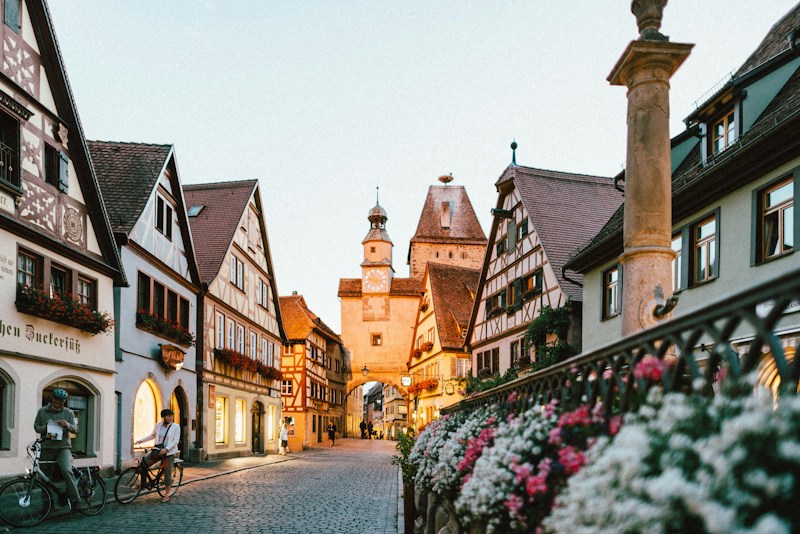
Picture drifting down Amsterdam’s calm waterways, then suddenly facing the ancient stone of Rome’s Colosseum. Instead of rushing, imagine pausing at a quiet Paris sidewalk table, coffee in hand. Or stepping back, stunned by Gaudí’s wild shapes under Barcelona light. These moments stick, long after the flight home. Maybe love draws you – two people starting fresh on cobbled streets. Perhaps it’s kids laughing near fountains, or walking alone with just a map and curiosity. History whispers through old walls, art hides in alley corners, flavours surprise around bends. For Indians planning ahead, this 2026 companion gathers what matters: clear details, practical steps, real insights. Not hype – just what helps.
2026 Europe Travel Trends for Indians
- Sustainable Tourism: Travellers now lean toward slower trips across Europe, drawn by train rides through open landscapes. A break from rushing defines their path, staying weeks instead of days. What they sleep in matters just as much – places built with care for nature. Time stretches out, moments unfold without hurry.
- Off-Season Travel: Springtime sees more Indians hitting the road before summer swells arrive. Cooler days draw visitors keen on mild temperatures instead of peak season chaos. Autumn brings quieter streets plus lighter costs across well-known spots. Weather turns friendly just as holidaymakers dodge packed itineraries. Fewer people wander landmarks when school terms run full steam. Shoulder months open doors without emptying wallets entirely.
- City Breaks: Out of nowhere, city breaks are drawing more interest. These short trips – focusing on just one or even two places – offer room to breathe while discovering what’s there. People seem drawn to moving slower through urban spots. This kind of travel keeps gaining ground without any sign of slowing down.
- Food Tourism: Travelers picking spots in Europe now often follow what they can eat. A dish made nearby might matter more than famous sights. Walking through a market with someone who lives there opens doors. Learning to cook where the recipe began changes plans. Taste pulls people just as much as history does.
Visa & Travel Essentials
One visa opens doors across nearly thirty European nations for Indian passport holders – that is how the Schengen system works. Getting clear on what’s needed before applying sets the pace, keeps surprises at bay later. Paperwork matters more than most think; doing it right lifts everything else along. Clarity early means fewer hiccups once plans take shape. Preparation shapes outcomes, especially when borders are involved. A solid start often decides how smoothly things unfold ahead.
Complete Schengen Visa Breakdown
| Visa Type | Duration | Visa Fee | Standard Processing Time |
|---|---|---|---|
| Short-stay (Type C – Tourist) | Up to 90 days in 180 days | €90 (payable in INR at the applicable embassy exchange rate) | 15-45 calendar days |
| Multiple-Entry Schengen Visa | Validity varies from 6 months to 5 years, depending on your travel history and the consulate’s decision | €90 | 15-45 calendar days |
| Airport Transit Visa (Type A) | Transit through the international transit area of a Schengen airport | €90 (where applicable) | Up to 15 calendar days |
Practical Tips for a Stronger Schengen Visa Application
- Apply to your main destination: BeginWorries tend to fade when coverage stretches further than expected. A trip feels lighter knowing more is covered by default. right now – choose the country you go to often. When days split evenly across places, go with wherever comes up first on your route. Your entry point decides it when time divides equally.
- Show strong home ties: Home roots matter. A job letter might show you have reasons to come back. Owning a business could do the same. Property papers tell a story of staying grounded. Family duties weigh in too. Each piece adds up without saying it outright.
- Maintain consistent bank balance: Watch your account activity. Sudden big sums appearing just before a visa request could raise questions. Officials often want sources explained. Stay clear by keeping balances steady over time.
- Book refundable tickets: Start flexible. Refundable tickets show you’ve planned ahead but won’t trap your money if delays happen or routes shift later down the line.
- Purchase travel insurance with at least €30,000 medical coverage: Start strong by getting travel insurance that covers at least €30,000 for medical needs – required if you’re applying for a Schengen visa. Opting for broader protection might just ease worries while you’re away.
Essential Travel Documents & Preparations
| Essential Item | Cost Range | Validity | Where to Get |
|---|---|---|---|
| Travel Insurance | ₹2,000-₹6,000 | Trip duration | Insurance providers, banks, online travel insurance platforms |
| Forex Card | ₹150-₹500 | 3-5 years | Banks, Thomas Cook India, BookMyForex |
| International SIM/eSIM | ₹1,000–₹3,500 | 7-30 days | Airalo, Vi, Airtel, Nomad |
| Power Adapter (Type C) | ₹500-₹1200 | Lifetime | Electronics stores, Amazon India |
Key Schengen Visa Updates for 2026
Digital Visa Processing: Online visa steps grow common across Schengen nations. People fill out forms digitally, send files, follow updates using official websites. Yet newcomers must show up in person once – fingerprints and photos get recorded at local centres. Even with smoother tools, how long it takes to hear back shifts often. Each nation handles timelines differently. Busy months stretch waits longer. Some cases take extra time based on personal details. Speed depends on where you’re headed, when you apply, what your situation holds.
Where to Stay in Europe’s Top Cities
Most folks overlook how much a district shapes life abroad. Where you stay sets the pace – commute times, peace of mind, even which sights feel within reach. Start here if you want streets that feel like home. Some corners hum with quiet energy others shout without speaking. Each block holds a mood just waiting to meet yours.
Paris: The City of Light
| Neighborhood | Best For | Budget (₹/night) | Mid-Range (₹/night) | Luxury (₹/night) |
|---|---|---|---|---|
| 1st & 4th (Louvre/Marais) | First-timers, sightseeing | ₹5,000-₹9,000 | ₹14,000-₹28,000 | ₹40,000-₹90,000+ |
| 5th & 6th (Latin Quarter) | Culture lovers, students | ₹4,500-₹8,500 | ₹12,000-₹24,000 | ₹35,000-₹75,000+ |
| 7th (Eiffel Tower area) | Romance, iconic views | ₹6,000-₹10,500 | ₹16,000-₹35,000 | ₹50,000-₹1,30,000+ |
| 11th (Republique & Oberkampf) | Nightlife, budget travelers | ₹4,000-₹7,500 | ₹10,000-₹18,000 | ₹25,000-₹50,000 |
Paris Neighborhood Insider Tips
Metro proximity is key: Close to a subway stop works best, under five minutes walk. That part near Gare du Nord brings trouble, better skip it. Marais district offers the best balance of culture, dining, and reasonable prices for Indians. Book early for major attractions.
Top Paris Accommodations


Barcelona: Catalonian Charm
Choosing the Right Neighbourhood in Barcelona
Eixample: Best for first-timers, Gaudí architecture, excellent metro. Gothic Quarter: Historic charm but can be touristy. Gràcia: Local vibe, great for longer stays. Barceloneta: Beach access but can be noisy.
Amsterdam: Canals and Culture
| Area | Atmosphere | Budget Range (₹/night) | Key Attractions Nearby |
|---|---|---|---|
| Jordaan | Authentic, local | ₹10,000-₹28,000 | Anne Frank House, Local cafes |
| Museum Quarter | Cultural, upscale | ₹14,000-₹45,000 | Van Gogh Museum, Rijksmuseum |
| De Pijp | Trendy, vibrant, local | ₹9,000-₹24,000 | Albert Cuyp Market, Sarphatipark, cafés |
What to Visit in Europe’s Iconic Cities
Wandering through Europe’s streets feels like flipping pages of a well-worn book – each city holds echoes of old worlds. Skip the guesswork; this outline points to key spots that matter most, shaped with Indian travelers in mind.
Copenhagen: Scandinavian Elegance
| Attraction | Cost | Best Time | Duration |
|---|---|---|---|
| Tivoli Gardens | ₹2,200-₹2,800 entry | Evening for lights | 3-4 hours |
| Nyhavn Harbor | Free walking | Golden hour | 1-2 hours |
| Rosenborg Castle | ₹2,100–₹2,400 | Morning (less crowded) | 2-3 hours |
| Little Mermaid Statue | Free | Early morning | 30 minutes |
Copenhagen Travel Tips
- Copenhagen Card: For roughly seven and a half thousand rupees, gain access to over eighty places – all included, nothing added later. Entry begins at that price point with the Copenhagen Card covering everything in one go. Lasting one day, it covers every kind of city transit. Priced up to eight thousand five hundred, access begins the moment you arrive. Riding buses or trains? No additional fees apply. Entry points across museums and landmarks open freely. Think historic sites, galleries, even boat rides – all included.
- Free walking tours: Start exploring on foot with guided walks you pay for by tipping. Some outfits like SANDEMANS New Europe run these strolls through Copenhagen. They show you the city’s past while moving block to block. Money comes after, based on what feels right. Each step reveals bits of local life shaped by time.
- Cycle everywhere: Cycling is everywhere you look. The city rolls out a web of paths that make getting around by bicycle simple. To grab a ride, head to stations run by public sharing systems or stop at neighborhood rental spots.Out near the major stops, tires sit ready. Even tucked inside little shops on back streets, they’re waiting too.
- Vegetarian-friendly: Plant-powered plates show up at nearly every table across Copenhagen. From snug local spots serving rye-heavy brunches to places dishing out bold international flavors, skipping meat feels natural here. Even tucked-away corners of the city offer something green without making it a big deal.
Copenhagen Must-Do Experiences


Berlin: History and Innovation
Berlin’s Free Attractions
Start anywhere along the East Side Gallery, where painted murals stretch across what once divided a city. Beneath wide skies, skip the ticket lines and face the Brandenburg Gate – its pillars climb free of cost. Quiet moments settle close to the Memorial to the Murdered Jews of Europe, where flat stones stretch shadows across time. Swap quiet for noise by midday, when Mauerpark hums with traders and buskers every Sunday. Green spaces appear suddenly – broad lawns between apartment blocks, perfect for sitting without spending. Some museums let you walk right in, depending on the day or if an event opens their doors wide so it’s worth checking their official websites before your visit.
London: Royal Grandeur
| Royal Attraction | Entry Fee | Indian Family Tips | Best Visiting Time |
|---|---|---|---|
| Buckingham Palace | ₹3,500–₹4,000 | State Rooms are generally open to visitors during the summer opening (subject to the Royal Collection Trust schedule). | July–September |
| Tower of London | ₹4,000–₹4,500 | Join a Yeoman Warder (Beefeater) Tour, included with your ticket. | Early morning |
| Westminster Abbey | ₹3,500–₹4,000 | Complimentary multimedia guides are available in several languages. | Late afternoon on weekdays |
Getting Around Europe: Mastering Train Travel
Europe’s world-class rail network connects major cities across more than 30 countries through a combination of high-speed, regional, and cross-border trains. For Indian travellers, train journeys offer a convenient way to travel between city centres while enjoying scenic landscapes, comfortable seating, and a more relaxed travel experience than flying. With growing investment in sustainable transport and expanding international rail connections, trains continue to be one of the best ways to explore Europe in 2026.
How to Book Train Tickets in Europe
Smart Train Booking Tips for Indian Travellers
Book 2-4 months ahead for cheapest fares. Use official railway websites or Trainline app for convenience. Eurail passes work best for 4+ countries in 2+ weeks. Point-to-point tickets better for focused itineraries.
| Route | Duration | Advance Booking | Day of Travel |
|---|---|---|---|
| Paris → Amsterdam | 3h 20m (High-speed) | ₹4,500-₹9,000 | ₹9,000-₹16,000 |
| Rome → Florence | 1h 30m (High-speed) | ₹3,000-₹7,000 | ₹7,000-₹13,000 |
| Berlin → Prague | 4h 30m (Regular) | ₹3,500-₹7,500 | ₹7,500-₹14,000 |
| London → Edinburgh | 4h 30m (High-speed) | ₹4,000-₹10,000 | ₹10,000-₹18,500 |
Eurail vs Point-to-Point: Which to Choose?
Choose Eurail Pass if: Visiting 4+ countries, flexible itinerary, traveling 2+ weeks, want hop-on flexibility. Choose Point-to-Point if: Fixed itinerary, staying longer in fewer places, traveling less than 10 days, want guaranteed seats.
Suggested Europe Routes & Durations
These proven itineraries balance must-see destinations with practical logistics, optimized for different travel styles and durations. Each route includes realistic daily budgets and transport connections.
7-Day “Classic Europe First Timer” Route
Route: London (2 days) → Paris (3 days) → Amsterdam (2 days)
Perfect introduction to Europe combining royal heritage, romantic culture, and liberal charm. Eurostar connects London-Paris in 2h 15m, Thalys connects Paris-Amsterdam in 3h 20m.
Sample Europe Itineraries


Budgeting for Indians (2026)
Europe offers something for every budget, but your daily expenses can vary widely depending on the destinations you visit, the season you travel, and your preferred style of travel. Planning your budget in advance helps you make the most of your trip without unexpected expenses.
Daily Budget Breakdown by Travel Style
| Expense Category | Budget (₹/day) | Mid-Range (₹/day) | Luxury (₹/day) |
|---|---|---|---|
| Accommodation | ₹3,000-₹6,000 | ₹9,000-₹20,000 | ₹28,000-₹90,000+ |
| Meals | ₹1,800-₹3,000 | ₹4,000-₹7,000 | ₹9,000-₹22,000 |
| Local Transport | ₹800-₹1,500 | ₹1,500-₹3,000 | ₹2,500-₹7,000 |
| Attractions | ₹1,200-₹2,500 | ₹3,000-₹6,000 | ₹6,000-₹18,000 |
| Shopping/Misc | ₹700-₹1,500 | ₹2,000-₹4,000 | ₹6,000-₹20,000 |
| TOTAL PER DAY | ₹7,500-₹14,500 | ₹19,500-₹40,000 | ₹51,500-₹1,57,000+ |
Food & Cultural Tips for Indian Travelers
Europe’s diverse culinary landscape and cultural norms can be overwhelming for Indian travelers. This section provides practical guidance for dining, etiquette, and cultural adaptation.
Vegetarian-Friendly European Cities
| City | Veg-Friendliness | Must-Try Dishes | Indian Food Availability |
|---|---|---|---|
| London | Excellent | Jacket potatoes, fish & chips (no fish), afternoon tea | Extensive – Brick Lane, Southall |
| Berlin | Very Good | Pretzels, sauerkraut, German bread varieties | Good – Turkish-German fusion |
| Amsterdam | Very Good | Stroopwafels, Dutch cheese, pancakes | Good – Nieuwmarkt area |
| Barcelona | Good | Pan con tomate, gazpacho, Spanish tortilla | Limited but available |
European Dining Etiquette for Indians
- Tipping: 10-15% in restaurants, round up for cafes and bars
- Dining hours: Lunch 12-2pm, dinner 7-10pm (later in Southern Europe)
- Reservations: Essential for dinner at popular restaurants
- Service style: Less attentive than India, wait staff won’t hover
- Water: Often charged, ask for tap water if you prefer free
Must-Try European Dishes (Vegetarian Options)
Common Cultural Adjustments for Indians
Personal space: Over there, folks stand farther apart while waiting in line. Talking tends to get straight to the point, without much roundabout phrasing. Showing up exactly when expected matters a lot. Hushed tones fill streets and cafes, quite unlike louder public scenes back home.
Money-Saving Strategies for Europe Travel
Costs add up fast when visiting Europe, yet smart moves behind the scenes cut expenses quietly. Travelers from India keep finding extra cash in their pockets using these methods again and again.
Frequently Asked Questions
Indians need a Schengen visa for 27 European countries. Apply online with passport, photos, bank statements, travel insurance (minimum €30,000). Processing time is 15-25 days with fee €80 (₹7,200). Biometric attendance needed at visa center.
Eastern European cities like Prague, Budapest, and Krakow offer great value for money, with daily costs 40-60% lower than Western Europe. Other budget-friendly options include Portugal and southern Spain.
Europe is generally safe for solo female travelers. Stick to well-reviewed accommodations, use official public transport, avoid isolated areas at night. Nordic countries like Denmark, Sweden, and Norway are particularly safe.
Major hubs with direct flights include London, Frankfurt, Paris, Amsterdam, Rome, and expanding new routes by Air India from Delhi to Amsterdam and Rome.
Cities like London, Berlin, Amsterdam, and Barcelona are very vegetarian-friendly with many Indian restaurants and vegetarian European dishes like Italian pasta, ratatouille, and gazpacho.
April-June and September-October offer mild weather, fewer tourists, and savings compared to peak summer travel. Winter offers Christmas markets but colder weather and lower prices.
Use multi-currency forex cards from banks like HDFC, ICICI for better rates. Avoid airport money changers and ATMs with dynamic currency conversion. Carry some cash but rely on cards widely accepted in Europe.
Budget travel can cost ₹6,300-₹12,000/day, mid-range ₹16,700-₹34,500/day, and luxury ₹45,000+/day. A 7-day trip generally costs ₹1.5-5 lakh including flights and accommodation.
Buy day or weekly passes (e.g. London Oyster Card, Paris Navigo). Use city apps like Citymapper. Avoid taxis unless needed. European public transport is very safe and reliable.
Travel insurance with minimum €30,000 medical coverage is mandatory for Schengen visa. Recommended Indian insurers: ICICI Lombard, HDFC Ergo, Bajaj Allianz, Tata AIG.


